Are you already doing any exercise to shape your butt? You could add these moves below in your next session.
Tone up your boot with these intense lower body workout concentrated on butt and lower body-sculpting that focuses on the glutes to burn fat, tighten the abs, tone the legs, and sculpt a strong and shapely butt.
Learn the secret to achieving a lean and defined lower-body from one of the best as Alicia takes you through an elaborate series of squats, lunges, stretches, bridges, supermans, and kick-backs and also some of Alicia's favorite exercises that she uses to tighten the abs, increase balance, slim the thighs, strengthen the knees, and tone the obliques.
The number of people with diabetes has nearly quadrupled since 1980.
About 422 million people worldwide have diabetes, a number likely to more than double in the next 20 years.
The prevalence of diabetes has been steadily increasing for the past 3 decades, mirroring an increase in the prevalence of obesity and overweight people. In particular, the prevalence of diabetes is growing most rapidly in low- and middle-income countries.
In 2012, diabetes was the direct cause of 1.5 million deaths. More than 80% of diabetes deaths occur in low- and middle-income countries.
In 2014, 8.5% of adults aged 18 years and older had diabetes.
Type 2 accounts for around 90% of all diabetes worldwide. Reports of type 2 diabetes in children have increased worldwide.
The number of people with diabetes has risen from 108 million in 1980 to 422 million in 2014.
The global prevalence of diabetes* among adults over 18 years of age has risen from 4.7% in 1980 to 8.5% in 2014.
Diabetes prevalence has been rising more rapidly in middle- and low-income countries.
Diabetes is a major cause of blindness, kidney failure, heart attacks, stroke and lower limb amputation.
In 2012, an estimated 1.5 million deaths were directly caused by diabetes and another 2.2 million deaths were attributable to high blood glucose**.
Almost half of all deaths attributable to high blood glucose occur before the age of 70 years. WHO projects that diabetes will be the 7th leading cause of death in 2030.
Healthy diet, regular physical activity, maintaining a normal body weight and avoiding tobacco use are ways to prevent or delay the onset of type 2 diabetes.
Diabetes can be treated and its consequences avoided or delayed with diet, physical activity, medication and regular screening and treatment for complications.
----------
* Defined as fasting blood glucose equal to or higher than mmol/L, or on medication for raised blood glucose, or with a history of diagnosis of diabetes.
** High blood glucose is defined as a distribution of fasting plasma glucose in a population that is higher than the theoretical distribution that would minimize risks to health (derived from epidemiological studies). High blood glucose is a statistical concept, not a clinical or diagnostic category.
Diabetes is a chronic disease, which occurs when the pancreas does not produce enough insulin, or when the body cannot effectively use the insulin it produces. This leads to an increased concentration of glucose in the blood (hyperglycaemia).
Insulin is a hormone that regulates blood sugar. Hyperglycaemia, or raised blood sugar, is a common effect of uncontrolled diabetes and over time leads to serious damage to many of the body's systems, especially the nerves and blood vessels.
Diabetes Consequences
Over time, diabetes can damage the heart, blood vessels, eyes, kidneys, and nerves:
Adults with diabetes have a 2-3-fold increased risk of heart attacks and strokes.
Combined with reduced blood flow, neuropathy (nerve damage) in the feet increases the chance of foot ulcers, infection and eventual need for limb amputation.
Diabetic retinopathy is an important cause of blindness, and occurs as a result of long-term accumulated damage to the small blood vessels in the retina. 2.6% of global blindness can be attributed to diabetes.
Diabetes is among the leading causes of kidney failure.
Diagnosis and Treatment
Early diagnosis can be accomplished through relatively inexpensive testing of blood sugar.
Treatment of diabetes involves diet and physical activity along with lowering blood glucose and the levels of other known risk factors that damage blood vessels. Tobacco use cessation is also important to avoid complications.
Interventions that are both cost-saving and feasible in developing countries include:
blood glucose control, particularly in type 1 diabetes. People with type 1 diabetes require insulin, people with type 2 diabetes can be treated with oral medication, but may also require insulin;
blood pressure control; and
foot care.
Other cost saving interventions include:
screening and treatment for retinopathy (which causes blindness);
blood lipid control (to regulate cholesterol levels);
screening for early signs of diabetes-related kidney disease and treatment.
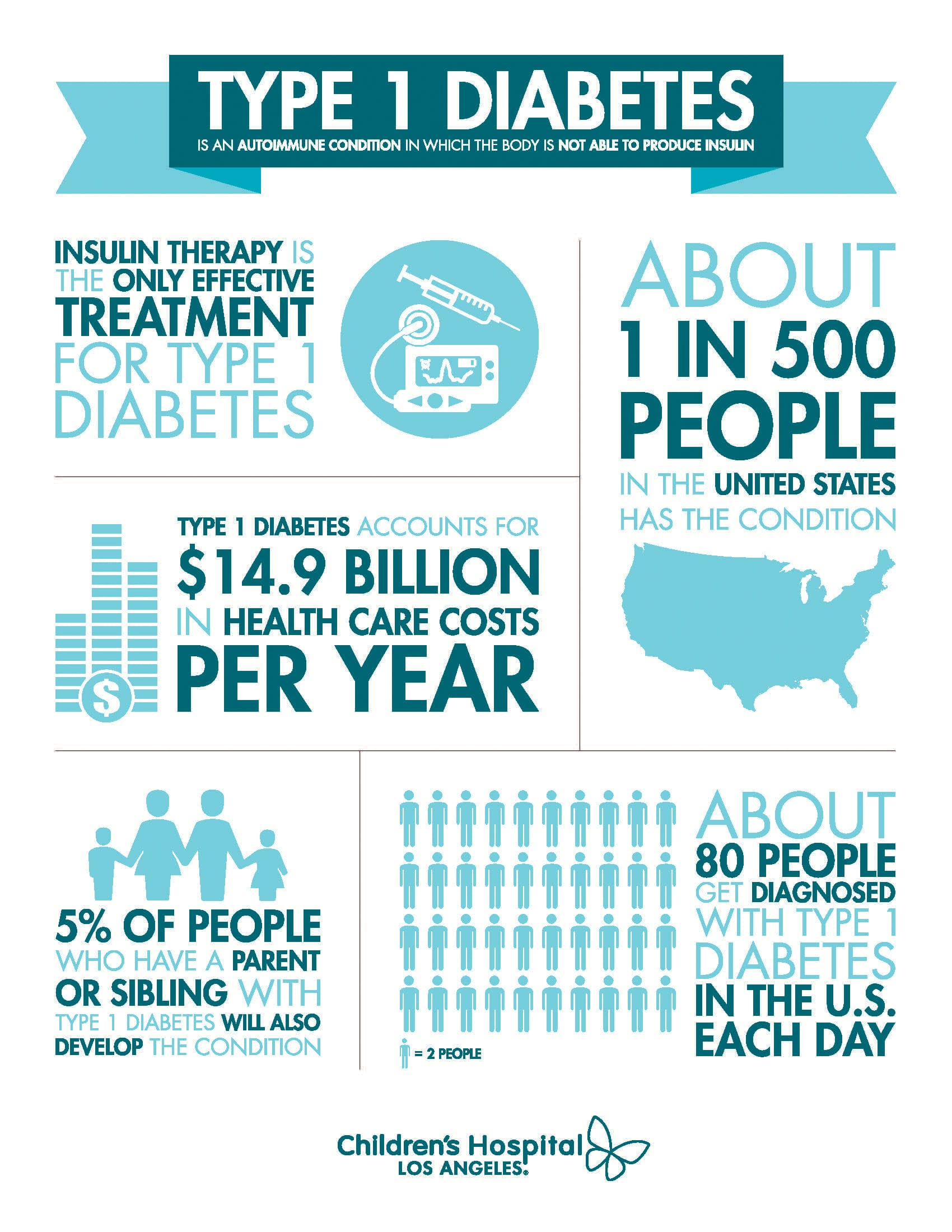
Type 1 diabetes (previously known as insulin-dependent or childhood-onset diabetes) is characterized by a lack of insulin production and requires daily administration of insulin. The cause of type 1 diabetes is not known and it is not preventable with current knowledge.
Symptoms include excessive excretion of urine (polyuria), thirst (polydipsia), constant hunger, weight loss, vision changes and fatigue. These symptoms may occur suddenly.
When you have type 1 diabetes, your pancreas can’t make insulin. This vital hormone helps your body's cells convert sugar into energy. Without it, sugar builds up in your blood and can reach dangerous levels. To avoid life-threatening complications, people with type 1 diabetes must take insulin for their entire lives.
Early Warning Signs
The symptoms of type 1 diabetes tend to come on suddenly and may include:
Feeling more thirsty than usual
Dry mouth
Fruity breath
Peeing a lot
Later Red Flags
As blood sugar levels remain high, type 1 diabetes often leads to:
Weight loss
Bigger appetite
Lack of energy, drowsiness
Skin Problems
Many people with type 1 diabetes get uncomfortable skin conditions, including:
Bacterial infections
Fungal infections
Itching, dry skin, poor circulation
Girls with type 1 diabetes are more likely to have genital yeast infections. Babies can get candidiasis, a severe form of diaper rash caused by yeast. It can easily spread from the diaper area to the thighs and stomach.
Dangerous Complications
When blood sugar isn't controlled, type 1 diabetes can cause more serious symptoms, like:
Numbness or tingling in the feet
Blurred vision
Low blood sugar (called hypoglycemia)
Passing out
If your blood sugar gets too high or too low, you could go into a diabetic coma. You may not have any warning signs before this happens. You will need to get emergency treatment.
Ketones and Ketoacidosis
Without treatment, type 1 diabetes deprives your cells of the sugar they need for energy. Your body starts burning fat instead, which causes ketones to build up in the blood. These are acids that can poison your body. This plus other changes in your blood can trigger a life-threatening condition called diabetic ketoacidosis. This is an emergency that must be treated quickly. You may need to go to the ER.
Type 1 vs. Type 2 Diabetes
In type 1 diabetes, your immune system destroys cells in your pancreas that make insulin. In type 2 diabetes, the pancreas isn’t under attack. It usually makes enough insulin. But your body doesn’t use it well. The symptoms of the two forms are similar, but usually come on more quickly in people with type 1.
Doctors aren't sure what makes your immune system attack the pancreas. Scientists have found 50 genes or gene regions that make you more likely to get type 1 diabetes. But that alone doesn’t mean you will. Some researchers believe that environmental triggers also play a role. These could include a virus or things that happen to your body during pregnancy.
Who Gets It?
Type 1 diabetes can happen at any point in life. But it's mostly diagnosed before the age of 19. It affects boys and girls equally, but it's more common in whites than in other ethnic groups. According to the World Health Organization, type 1 diabetes is rare in most African, Native American, and Asian people.
How Is It Diagnosed?
Your doctor will probably check your fasting blood sugar or he may do a random blood sugar test. He could also get your A1c level, which shows average blood sugar readings for the past 2-3 months. The tests should be repeated on 2 separate days. A more complex glucose tolerance test could also help him make the call.
Long-Term Problems
Having high blood sugar for a long time can damage many of your body's systems. Type 1 diabetes can make you more likely to have:
Heart disease and stroke
Kidney failure
Blindness or other problems seeing
Gum disease and tooth loss
Nerve damage in the hands, feet, and organs
Exercise With Caution
You need to get some physical activity, but be careful when you do it. To prevent a sudden drop in blood sugar, your doctor may tell you to do these things before you exercise:
Check your blood sugar
Adjust your insulin dose
Eat a snack
He may also suggest checking your pee for ketones, a sign that your blood sugar is too high. Avoid hard exercise when they are present.
Should You Get Pregnant?
Let your doctor know if you plan to have a baby. If your diabetes isn’t well controlled, it can cause complications, including birth defects. Good control of blood sugar before you get pregnant lowers your odds for these problems and for miscarriage. Your risk of eye damage and dangerous spikes in blood pressure will go down, too.
Type 2 diabetes (formerly called non-insulin-dependent or adult-onset diabetes) is caused by the body’s ineffective use of insulin. It often results from excess body weight and physical inactivity. Type 2 diabetes comprises the majority of people with diabetes around the world.
Symptoms may be similar to those of Type 1 diabetes, but are often less marked. As a result, the disease may be diagnosed several years after onset, once complications have already arisen.
When you have this disease, your body does a poor job turning the carbohydrates in food into energy. This causes sugar to build up in your blood. Over time it raises your risk for heart disease, blindness, nerve and organ damage, and other serious conditions. It strikes people of all ages, and early symptoms are mild. About 1 out of 3 people with type 2 diabetes don't know they have it.
What Will You Notice First?
People with type 2 diabetes often have no symptoms. When they do appear, one of the first may be being thirsty a lot. Others include dry mouth, bigger appetite, peeing a lot -- sometimes as often as every hour -- and unusual weight loss or gain.
Later Symptoms
As your blood sugar levels get higher, you may have other problems like headaches, blurred vision, and fatigue.
Signs of Serious Problems
In many cases, type 2 diabetes isn't discovered until it takes a serious toll on your health. Some red flags include:
Cuts or sores that are slow to heal
Cuts or sores that are slow to heal
Frequent yeast infections or urinary tract infections
Itchy skin, especially in the groin area
It Can Affect Your Sex Life
Diabetes can damage blood vessels and nerves in your genitals. This could lead to a loss of feeling and make it hard to have an orgasm. Women are also prone to vaginal dryness. About 1 in 3 who have diabetes will have some form of sexual trouble. Between 35% and 70% of men who have the disease will have at least some degree of impotence in their lifetime.
Risk Factors You Can Control
Some health habits and medical conditions related to your lifestyle can raise your odds of having type 2 diabetes, including:
Being overweight, especially at the waist
Being overweight, especially at the waist
A couch potato lifestyle
Smoking
Eating a lot of red meat, processed meat, high-fat dairy products, and sweets
Unhealthy cholesterol and triglyceride levels
Risk Factors You Can't Control
Other risk factors are out of your control, including:
Race or ethnicity: Hispanics, African-Americans, Native Americans, and Asians are more likely to get it
Family history of diabetes: Having a parent or sibling with diabetes boosts your odds.
Age: Being 45 and older raises your risk of type 2 diabetes.
The more risk factors you have, the more likely you'll get type 2 diabetes.
Risk Factors for Women
You're more likely to get type 2 diabetes later on if you:
Had gestational diabetes when you were pregnant
Delivered a baby that weighed over 9 pounds
Had polycystic ovary syndrome
How Does Insulin Work?
In a healthy person, insulin helps turn food into energy. Your stomach breaks down carbohydrates into sugars. They enter the bloodstream, prompting your pancreas to release the hormone insulin in just the right amount. It helps your cells use the sugar for fuel.
Metabolism Mishaps
In type 2 diabetes, your cells can’t use sugar properly. That means there's a lot of it in your blood. If you have a condition called insulin resistance, your body makes the hormone, but your cells don’t use it or respond to it like they should. If you’ve had type 2 diabetes for a while but haven’t treated it, your pancreas will make less insulin.
How Is It Diagnosed?
Your doctor will take some blood and do an A1c test. It shows your average blood sugar level over the past 2-3 months. If you already have symptoms, he might give you a random blood glucose test, which shows what your current level is.
Your Diet Makes a Difference
You can control blood sugar levels by changing your diet and losing extra weight. That will also cut your risk of complications. Carefully track the carbs in your diet. Keep amounts the same at every meal, watch how much fat and protein you eat, and cut calories. Ask your doctor to refer you to a dietitian to help you make healthy choices and an eating plan.
Exercise Is Important
Regular exercise, like strength training or walking, improves your body's use of insulin and can lower blood sugar levels. Being active also helps get rid of body fat, lower blood pressure, and protect you from heart disease. Try to get 30 minutes of moderate activity on most days of the week.
Relaxation Is Key
Stress can boost your blood pressure and blood sugar. Some people don't do anything for it. Others turn to food to cope with it. Instead, practice relaxation techniques like deep breathing, meditation, or visualization. Talking to a friend, family member, counselor, or a religious leader could help. If you can’t beat it, reach out to your doctor.
Heart and Artery Troubles
If you don't treat diabetes with a healthy diet and exercise, you're more likely to get plaque in your arteries than people who don't have it. This sticky substance slows blood flow and increases your risk of clots. It leads to hardening of the arteries (called atherosclerosis), which makes you more likely to have a heart attack or stroke. About 2 of 3 people with diabetes die of heart disease.
The longer you have diabetes, the greater the chance you’ll get chronic kidney disease. Diabetes is the leading cause of kidney failure. It's to blame for about half of new cases. Controlling your blood sugar, blood pressure, and cholesterol can lower your risk for this complication. Yearly tests and medications can slow the disease and keep your kidneys healthy.
Eye Problems
High blood sugar can damage the tiny blood vessels that bring oxygen and nutrients to the retina, a critical part of your eye. This is known as diabetic retinopathy, and it can lead to vision loss. It’s the leading cause of new cases of blindness in people between the ages of 20 and 74. Pools of blood, or hemorrhages, on the retina of an eye are visible in this image.
Diabetic Nerve Pain
Over time, uncontrolled diabetes and high blood sugar can cause nerve damage. Symptoms include tingling, numbness, pain, and a pins and needles sensation -- often in your fingers, hands, toes, or feet. The damage can’t be reversed, but there are treatments. Controlling your diabetes can help prevent further harm.
Foot Injuries Can Take a Toll
Diabetic nerve damage can make it hard to feel your feet. You might not notice wounds. At the same time, hardening of the arteries reduces blood flow to the area. Even a small injury can cause foot sores and gangrene. In severe cases, infections can result in an amputation.
Teeth and Gums Are Targets
High blood sugar levels can feed the bacteria that make plaque. Plaque buildup leads to cavities, tooth decay, and gum disease. Severe gum disease can cause tooth loss. It weakens gums and the tissues and bones that hold teeth in place. That makes it easier to get an infection, too.
Can It Be Prevented?
One of the most surprising things about type 2 diabetes is that you can avoid it. Simple lifestyle measures have been shown to be effective in preventing or delaying the onset of type 2 diabetes.
To help prevent type 2 diabetes and its complications, people should:
achieve and maintain healthy body weight;
be physically active – at least 30 minutes of regular, moderate-intensity activity on most days. More activity is required for weight control;
eat a healthy diet, avoiding sugar and saturated fats intake; and avoid tobacco use – smoking increases the risk of diabetes and cardiovascular diseases.
Talk to your doctor about being tested for prediabetes.
People with prediabetes can avoid getting diabetes with lifestyle changes and medication.
Gestational diabetes is hyperglycaemia that is first recognized during pregnancy.
Gestational diabetes is hyperglycaemia with blood glucose values above normal but below those diagnostic of diabetes, occurring during pregnancy. Women with gestational diabetes are at an increased risk of complications during pregnancy and at delivery.
They and their children are also at increased risk of type 2 diabetes in the future.
Gestational diabetes is diagnosed through prenatal screening, rather than through reported symptoms.
Impaired glucose tolerance and impaired fasting glycaemia
Impaired glucose tolerance (IGT) and impaired fasting glycaemia (IFG) are intermediate conditions in the transition between normality and diabetes. People with IGT or IFG are at high risk of progressing to type 2 diabetes, although this is not inevitable.
WHO designed these posters for use around the world during this year's World Health Day on 7 April. The campaign will focus on the rising tide of diabetes worldwide.
Halt the rise
More and more people are getting diabetes around the world. The increase is in great part driven by rising levels of overweight and obesity and physical inactivity, including among children.
Being physically active – through at least 30 minutes of regular, moderate-intensity activity on most days – can help prevent Type 2 diabetes and its complications, as well as help people to better manage Type 1 and Type 2 diabetes if they have it.
A healthy diet high in fruits and vegetables and low in sugar and saturated fats can help prevent Type 2 diabetes, and also help people to manage Type 1 and Type 2 diabetes if they have it.
Symptoms for diabetes include thirst, hunger, weight loss, fatigue and blurred vision. However, many people who have diabetes do not have symptoms. If people think they might have the disease, consulting a health-care professional is recommended.
A range of treatments exists to manage diabetes and control blood glucose, including through eating healthy, being active, taking prescribed medication, controlling blood pressure, and avoiding tobacco use. People with diabetes can live well if they follow a treatment plan developed together with their health-care provider.
The Physical Activity Guidelines for Americans recommend that adults get at least 150 minutes of moderate-intensity aerobic physical activity or 75 minutes of vigorous-intensity physical activity, or an equivalent combination each week. The guidelines also recommend that children and adolescents be active for at least 60 minutes every day. Following these guidelines can contribute to overall health, and decrease the risk of chronic diseases such as heart disease, cancer or diabetes.
Walking is a great way to get the physical activity needed to obtain health benefits. Walking does not require any special skills. It also does not require a gym membership or expensive equipment.
There's no need for fancy equipment when it comes to walking—but that doesn't stop walking from being a powerful form of exercise. In fact, it's known to have huge health benefits: regular walking encourages good eating habits, cuts the risk of heart disease and diabetes, and even improves mood and memory. And, of course, walking torches calories and burns fat. If you're just getting started exercising, walking is ideal: you can do it at any speed, and the impact on your weight and health will be significant.
Walking and wheelchair rolling are great ways for people to increase their physical activity. Walking is a powerful public health strategy for the following reasons:
Walking is an easy way to start and maintain a physically active lifestyle.
Walking does not require special skills, facilities, or expensive equipment.
Walking is a year-round activity that can be done indoors or outdoors.
Walking can be done by people of all ages and abilities.
Many people with disabilities are able to walk or move with assistive devices, such as wheelchairs or walkers.
Walking is the most common form of physical activity for people across the country.
Walking can serve many purposes:
Catching up with friends and family
Getting to school, work, or a nearby store
Exercise
Walk to Better Health
48%
About half of all adults get enough aerobic physical activity to improve their health.
Aerobic activities like brisk walking, running, swimming and bicycling make you breathe harder and make your heart and blood vessels healthier.
6 in 10
Walking is the most popular aerobic physical activity. About 6 in 10 adults reported walking for at least 10 minutes in the previous week.
6%
Adults who walk for transportation, fun, or exercise went up 6 percent in 5 years.
More than 145 million adults now include walking as part of a physically active lifestyle. More than 6 in 10 people walk for transportation or for fun, relaxation, or exercise, or for activities such as walking the dog. The percentage of people who report walking at least once for 10 minutes or more in the previous week rose from 56% (2005) to 62% (2010).
Physical activity helps control weight, but it has other benefits. Physical activity such as walking can help improve health even without weight loss. People who are physically active live longer and have a lower risk for heart disease, stroke, type 2 diabetes, depression, and some cancers. Improving spaces and having safe places to walk can help more people become physically active.
Less than half of all adults get the recommended amount of physical activity
Adults need at least 2 and 1/2 hours (150 minutes) a week of aerobic physical activity. This should be at a moderate level, such as a fast-paced walk for no less than 10 minutes at a time.
Women and older adults are not as likely to get the recommended level of weekly physical activity.
Inactive adults have higher risk for early death, heart disease, stroke, type 2 diabetes, depression, and some cancers.
Regular physical activity helps people get and keep a healthy weight.
Walkable communities result in more physical activity.
More people are walking, but just how many depends on where they live, their health, and their age
The West and Northeast regions have the highest percentage of adults who walk in the country, but the South showed the largest percent increase of adults who walk compared to the other regions.
More adults with arthritis or high blood pressure are now walking, but not those with type 2 diabetes.
Walking increased among adults 65 or older, but less than in other age groups.
People need safe, convenient places to walk
People are more likely to walk and move about more when they feel protected from traffic and safe from crime and hazards.
Maintaining surfaces can keep people who walk from falling and getting hurt. This also helps wheelchairs and strollers and is safer for people with poor vision.
People need to know where places to walk in their communities exist that are safe and convenient.
Walking routes in and near neighborhoods encourage people to walk to stops for buses, trains, and trolleys.
Working with partners to carry out the National Prevention Strategy to make physical activity easier where people live, work, and play.
Helping people get active through programs like Community Transformation Grants and Nutrition, Physical Activity, and Obesity state programs, and by working with partners like Safe Routes to Schools.
Studying ways that communities can make it easy and convenient for people to be more active.
State or local governments can
Consider walking when creating long-range community plans.
Consider designing local streets and roadways that are safe for people who walk and other road users.
Consider opportunities to let community residents use local school tracks or gyms after classes have finished.
Make sure existing sidewalks and walking paths are kept in good condition, well lit and free of problems such as snow, rocks, trash, and fallen tree limbs.
Promote walking paths with signs that are easy to read, and route maps that the public can easily find and use.
Employers can
Create and support walking programs for employees.
Identify walking paths around or near the work place and promote them with signs and route maps.
Provide places at work to shower or change clothes, when possible.
Individuals can
Start a walking group with friends and neighbors.
Help others walk more safely by driving the speed limit and yielding to people who walk.
Use crosswalks and crossing signals when crossing streets and not jaywalk.
Participate in local planning efforts that identify best sites for walking paths and sidewalks.
Work with parents and schools to encourage children to walk to school where safe.
Shoes are the most important part of your walking gear. Good walking shoes are generally flat, but flexible, so your foot rolls with each step. They should fit well, but leave enough room for your feet to spread out while walking. Wear socks that are comfortable. Try socks made of cotton or other sweat-wicking materials—they will keep your feet drier and help prevent blisters. Running shoes are okay to use for walking. Don't forget to trade in the old shoes when the treads start wearing out—which is about 500 miles. Whew!
Wear comfortable clothing when walking. Try to dress in layers, so you can always take off something as you warm up. Layering with a t-shirt, sweatshirt, or windproof jacket is a good idea if it's windy or chilly outside.
Two other essentials: sunscreen and a hat. The sunscreen protects your skin from the sun. In the summer, a hat keeps the sun out of your face, and in the winter it helps to keep you warm by trapping the heat that is lost from the top of your head. A bright colored hat will also make it easy for drivers to see and avoid you. Need to learn more about sun protection? Read here for more info!
Play it Safe
Before you walk out the door, talk about the best walking routes with your parents so you know your safety zones and how to avoid traffic. And, only walk in those areas so your parents will know where you are.
It's always best to walk where you can avoid traffic—like parks or even the mall! Or try to find an area where there are sidewalks. If you have to walk on a street without sidewalks, walk close to the curb facing traffic. Remember to cross the street only at marked crosswalks or at corners, keep your ears and eyes open, and watch out for traffic in front and back of you. Wear bright-colored clothing or reflectors so drivers can see you. If you are walking alone, don't wear headphones—if they are too loud, they can keep you from hearing any oncoming traffic.
Water, water, water. It's a good idea to drink some water before you head out to walk, while you are walking, and when you get back—even if it's cold outside or you don't feel thirsty. In the summer, late afternoons (not nights) and mornings are the best times to walk to avoid the midday heat and humidity. To find out more about staying cool, click here.
It is best to warm up your muscles before stretching them. So warm up for 5 minutes at an easy walking pace before stretching. Then stretch by starting at the top of your body and working your way down. Make sure to cool down and stretch after your walk too!
Remember—start out slowly and gradually increase the speed and distance you walk—don't try walking a marathon your first time out! And no matter where you are walking, be aware of what is going on around you.
How to Play
You've probably been walking for about as long as you've been talking. But walking isn't just a way to get from here to there, its also a great physical activity! Walking doesn't require a lot of equipment, you can do it anywhere, it is always available by just walking out your front door, and it's a great way to relax and refresh. It's also something you can do alone or with your friends and family.
If you thought walking was just putting one foot in front of the other, you were right! But check out these tips for how to walk and breathe correctly so your walk will be safer and easier.
Posture. How you hold your body is important. Stand up straight and tall. This means putting your shoulders back and relaxing them (no slouching!), and keeping your chin up and stomach in. It's a good idea to look 20 feet ahead—about the lengths of two cars. This keeps your chin up and your eyes on your path!
Taking your first steps. Start out your first step with the heel first. Then roll your foot from heel to toe and push off the toes with the next step. Bringing the opposite leg forward, repeat this again. (This may feel a little funny at first but as your muscles get stronger it gets easier.)
Arm motion. Moving or swinging your arms when you're walking can give you power and it balances what your legs are doing! Bend your elbow 90 degrees (so your arm looks like the letter "L"), while keeping your hands slightly curled. When you step, one foot moves forward and the arm opposite this foot should come forward too. As your foot goes back, bring back the opposite arm with it. Keep your elbows close to the body so you don't have "chicken wings."
Don't forget to breathe! Your breathing should have a rhythm. Inhale one deep breath for four steps and then hold that breath for two steps. Then exhale to the count of four steps, and hold it for two steps before beginning all over again. So the rhythm is — breathe in (step 1, 2, 3, 4), hold (step 1, 2) breathe out (step 1, 2, 3, 4) hold (step 1, 2).
Everyone's stride is different, so if you feel that four steps are too long or too short, adjust it to what is comfortable for you.
Ology
We don't give a second thought to walking and breathing at the same time, but some ancient creatures, and some that are still around (like lizards), can't do both at once. Lizards have to pause when they're running in order to take breaths.
Fun Facts
If you walk 6,000 steps each day, you will walk a mile!
Racewalking has been an Olympic sport since 1908. It is the longest foot race (31 miles!) in the Olympics.
The distance to the sun is 93.5 million miles. If you walk about 4 miles every hour (which is fairly fast) it would take you 23.4 million hours, which is 974,000 days or 2,670 years to reach the sun!