Showing posts with label Infographics. Show all posts

Thursday, February 16, 2017

Prostate Cancer - An Overview

Prostate

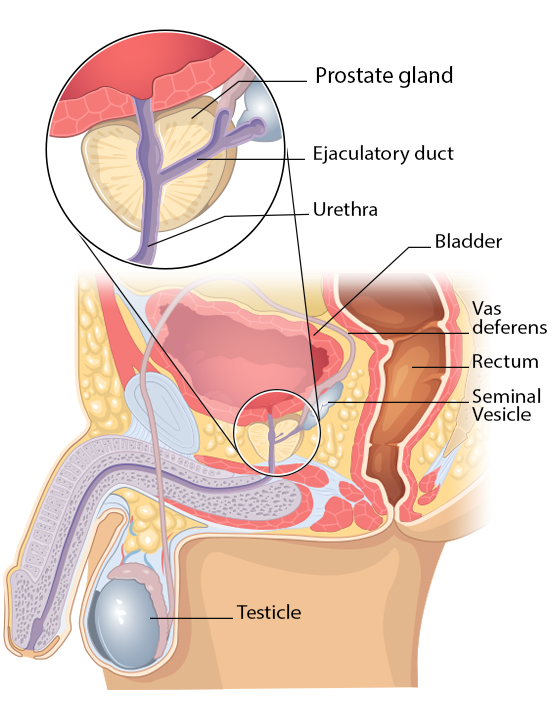
The prostate is a part of the male reproductive system, which includes the penis, prostate, and testicles. The prostate is located just below the bladder and in front of the rectum. It is about the size of a walnut and surrounds the urethra (the tube that empties urine from the bladder). It produces fluid that makes up a part of semen.
As a man ages, the prostate tends to increase in size. This can cause the urethra to narrow and decrease urine flow. This is called benign prostatic hyperplasia, and it is not the same as prostate cancer. Men may also have other prostate changes that are not cancer.


Prostate Cancer, Infographic, CDC
Source: CDC


Prostate Cancer

Cancer is a disease in which cells in the body grow out of control. 
Prostate cancer is cancer that occurs in a man's prostate — a small walnut-shaped gland that produces the seminal fluid that nourishes and transports sperm.

Prostate cancer is one of the most common types of cancer in men. Prostate cancer usually grows slowly and initially remains confined to the prostate gland, where it may not cause serious harm. While some types of prostate cancer grow slowly and may need minimal or no treatment, other types are aggressive and can spread quickly.

Symptoms

Different people have different symptoms for prostate cancer. Some men do not have symptoms at all.

Some symptoms of prostate cancer are:
  • Difficulty starting urination.
  • Weak or interrupted flow of urine.
  • Frequent urination, especially at night.
  • Difficulty emptying the bladder completely.
  • Pain or burning during urination.
  • Blood in the urine or semen.
  • Pain in the back, hips, or pelvis that doesn’t go away.
  • Painful ejaculation.


If you have any symptoms that worry you, be sure to see your doctor right away. Keep in mind that these symptoms may be caused by conditions other than prostate cancer.

Risk Factors

Research has found risk factors that increase your chances of getting prostate cancer. These risk factors include:
  • Age: The older a man is, the greater his risk for getting prostate cancer.
  • Family history: Certain genes (passed from parent to child) that you inherited from your parents may affect your prostate cancer risk. Currently, no single gene is sure to raise or lower your risk of getting prostate cancer. However, a man with a father, brother, or son who has had prostate cancer is two to three times more likely to develop the disease himself.
  • Race: Prostate cancer is more common in African-American men. It tends to start at younger ages and grow faster than in other racial or ethnic groups, but medical experts do not know why.


Researchers are trying to determine the causes of prostate cancer and whether it can be prevented. They do not yet agree on the factors that can influence a man’s risk of developing the disease, either positively or negatively.


Health Tips for Men about Prostate Cancer: What You Can Do


Prostate Cancer, Infographic, CDC
Source: CDC


Prostate Cancer, Infographic, CDC
Source: CDC


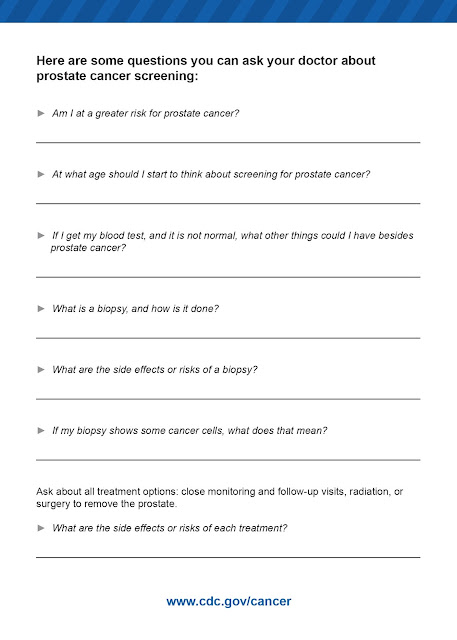
Screening for Prostate Cancer: A Decision for You and Your Doctor


Prostate Cancer, Infographic, CDC
Source: CDC


Sources:

Friday, January 20, 2017

Anorexia Nervosa - Symptoms and Treatment

Anorexia nervosa, also called anorexia, is a potentially life-threatening eating disorder that is characterized by self-starvation and excessive weight loss. The disorder is diagnosed when a person weighs at least 15% less than his or her normal/ideal body weight. Extreme weight loss in people with anorexia nervosa can lead to dangerous health problems and even death.

Anorexia Nervosa is characterised by persistent energy intake restriction, intense fear of gaining weight and disturbance in self perceived weight or shape. For some people, restricting their food and weight can be a way of controlling areas of life that feel out of their control and their body image can come to define their entire sense of self worth. It can also be a way of expressing emotions that may feel too complex or frightening such as pain, stress or anxiety.

People with anorexia often use food and eating as a way to gain a sense of control when other areas of their lives are very stressful or when they feel overwhelmed. Feelings of inadequacy, low self-esteem, anxiety, anger, or loneliness also might contribute to the development of the disorder. In addition, people with eating disorders might have troubled relationships, or have a history of being teased about their size or weight. Pressure from peers and a society that equates thinness and physical appearance with beauty also can have an impact on the development of anorexia.


The Warning Signs of Anorexia Nervosa

Having awareness about AN and its signs and symptoms can make a huge difference to the duration and severity of the illness. Seeking help at the first warning sign is much more effective than waiting until the illness is in full swing. If you or someone you know is exhibiting some or a combination of these signs it is vital to seek help and support as soon as possible.

Someone with AN may display any combination of the following warning signs.

Physical Signs

  • Rapid weight loss or frequent weight changes
  • Loss or disturbance of menstruation in girls and women and decreased libido in men
  • Fainting or dizziness
  • Feeling cold most of the time, even in warm weather (caused by poor circulation)
  • Feeling bloated, constipated, or the development of intolerances to food
  • Feeling tired and not sleeping well
  • Lethargy and low energy
  • Facial changes (e.g. looking pale, sunken eyes)
  • Fine hair appearing on face and body

Psychological Signs

  • Preoccupation with eating, food, body shape and weight
  • Feeling anxious and/or irritable around meal times
  • Intense fear of gaining weight
  • Unable to maintain a normal body weight for their age and height
  • Depression and anxiety
  • Reduced capacity for thinking and increased difficulty concentrating
  • ‘Black and white’ thinking (e.g. rigid thoughts about food being ‘good’ or ‘bad’)
  • Having a distorted body image (e.g. seeing themselves as overweight when they are actually underweight)
  • Low self esteem and perfectionism
  • Increased sensitivity to comments relating to food, weight, body shape, exercise
  • Extreme body image dissatisfaction

Behavioural Signs

  • Dieting behaviour (e.g. fasting, counting calories/kilojoules, avoiding food groups such as fats and carbohydrates)
  • Deliberate misuse of laxatives, appetite suppressants, enemas and diuretics
  • Repetitive or obsessive behaviours relating to body shape and weight (e.g. repeated weighing, looking in the mirror obsessively and pinching waist or wrists)
  • Evidence of binge eating (e.g. disappearance or hoarding of food)
  • Eating in private and avoiding meals with other people
  • Anti-social behaviour (spending more and more time alone)
  • Secrecy around eating (e.g. saying they have eaten when they haven’t, hiding uneaten food)
  • Compulsive or excessive exercising (e.g. exercising in bad weather, continuing to exercise when sick or injured, and experiencing distress if exercise is not possible)
  • Radical changes in food preferences (e.g. suddenly disliking food they have always enjoyed in the past, reporting of food allergies or intolerances, becoming vegetarian)
  • Obsessive rituals around food preparation and eating (e.g. eating very slowly, cutting food into very small pieces, insisting that meals are served at exactly the same time everyday)
  • Preoccupation with preparing food for others, recipes and nutrition
  • Self harm, substance abuse or suicide attempts


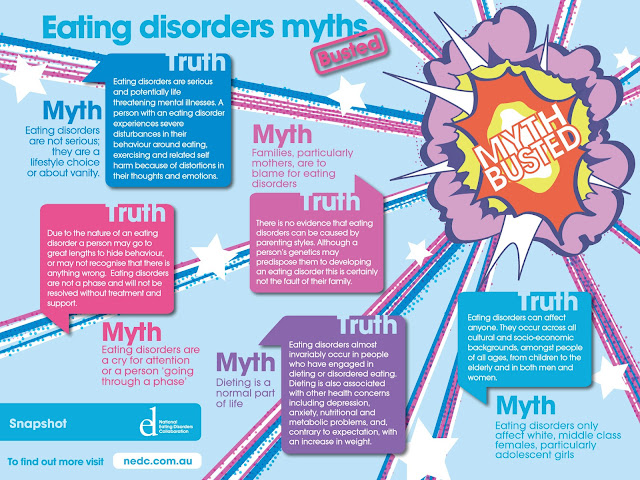
Anorexia, Infographic, CRC Health
Source: CRC Health


The Treatment for Anorexia

Emergency care for anorexia may be needed in some extreme cases where dehydration, malnutrition, kidney failure, or an irregular heartbeat may pose imminent risk to life.

Emergency or not, treatment of anorexia is challenging because most people with the disorder deny they have a problem -- or are so terrified of becoming overweight that they may oppose efforts to help them gain a normal weight. Like all eating disorders, anorexia requires a comprehensive treatment plan that is adjusted to meet the needs of each patient.

Goals of treatment include restoring the person to a healthy weight, treating emotional issues such as low self-esteem, correcting distorted thinking patterns, and developing long-term behavioral changes.

Treatment most often involves a combination of the following treatment methods:

  • Psychotherapy: This is a type of individual counseling that focuses on changing the thinking (cognitive therapy) and behavior (behavioral therapy) of a person with an eating disorder. Treatment includes practical techniques for developing healthy attitudes toward food and weight, as well as approaches for changing the way the person responds to difficult situations.
  • Medication: Certain antidepressant medications such as selective serotonin reuptake inhibitors (SSRIs) might be used to help control anxiety and depression associated with an eating disorder. Some antidepressants may also help with sleep and stimulate appetite. Other types of medications also might be offered to help control anxiety and/or distorted attitudes toward eating and body image.
  • Nutrition counseling: This strategy is designed to teach a healthy approach to food and weight, to help restore normal eating patterns, and to teach the importance of nutrition and following a balanced diet.
  • Group and/or family therapy: Family support is very important to treatment success. It is important that family members understand the eating disorder and recognize its signs and symptoms. People with eating disorders might benefit from group therapy, where they can find support, and openly discuss their feelings and concerns with others who share common experiences and problems.
  • Hospitalization: As mentioned above, hospitalization might be needed to treat severe weight loss that has resulted in malnutrition and other serious mental or physical health complications, such as heart disorders, serious depression, and risk of suicide. In some cases, the patient may need to be fed through a feeding tube or through an IV.

For More...

National Eating Disorders Association - Almost Anorexic and Totally Tragic 

Wednesday, November 23, 2016

Stroke - An Overview

Stroke, Infographic, American Heart Association
Source: American Heart Association


About Stroke


A stroke or cerebrovascular accident occurs when the blood supply to part of the brain is suddenly interrupted or when a blood vessel in the brain bursts, spilling blood into the spaces surrounding brain cells.

Brain cells die when they no longer receive oxygen and nutrients from the blood or there is sudden bleeding into or around the brain.

Death or permanent disability can result. High blood pressure, smoking, and having had a previous stroke or heart attack increase a person’s chances of having a stroke.

Stroke is the fifth leading cause of death in the United Sates. In 2014, stroke killed more than 133,000 people, accounting for about 1 of every 20 deaths in the United States. According to the American Heart Association, about 795,000 people in the United States suffer a stroke each year (about 610,000 first attacks and 185,000 recurrent attacks). Four million Americans who have survived a stroke are living with impairments and 15% to 30% are permanently disabled. The American Heart Association also estimates that stroke cost about $33 billion in both direct and indirect costs in 2011 in the United States alone.

What Happens During a Stroke?

To understand stroke, it helps to understand something about the brain. The brain controls our movements; stores our memories; and is the source of our thoughts, emotions, and language. The brain also controls many functions of the body, like breathing and digestion.

To work properly, your brain needs oxygen. Although your brain makes up only 2% of your body weight, it uses 20% of the oxygen you breathe.1 Your arteries deliver oxygen-rich blood to all parts of your brain.

If something happens to interrupt the flow of blood, brain cells start to die within minutes because they can’t get oxygen. This is called a stroke. Sudden bleeding in the brain also can cause a stroke if it damages brain cells. A stroke can cause lasting brain damage, long-term disability, or even death.

If brain cells die or are damaged because of a stroke, symptoms of that damage start to show in the parts of the body controlled by those brain cells.


Stroke, Infographic, CDC
Source: CDC; Interactive Atlas of Heart Disease and Stroke


Types of Stroke


The main types of stroke are:
  • Ischemic stroke.
  • Hemorrhagic stroke.
  • Transient ischemic attack (a warning or “mini-stroke”).

Ischemic Stroke

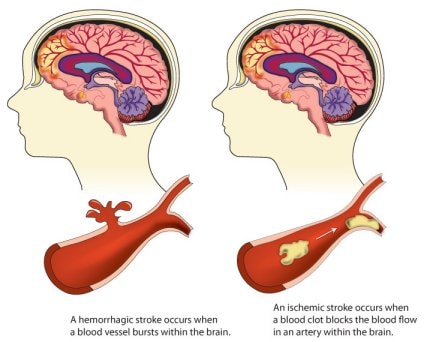
Most strokes (85%) are ischemic strokes. If you have an ischemic stroke, the artery that supplies oxygen-rich blood to the brain becomes blocked.
Blood clots often cause the blockages that lead to ischemic strokes. Read more about factors that increase risk for ischemic stroke.


Hemorrhagic Stroke

A hemorrhagic stroke occurs when an artery in the brain leaks blood or ruptures (breaks open). The leaked blood puts too much pressure on brain cells, which damages them.
High blood pressure and aneurysms—balloon-like bulges in an artery that can stretch and burst—are examples of conditions that can cause a hemorrhagic stroke.

There are two types of hemorrhagic strokes:
  • Intracerebral hemorrhage is the most common type of hemorrhagic stroke. It occurs when an artery in the brain bursts, flooding the surrounding tissue with blood.
  • Subarachnoid hemorrhage is a less common type of hemorrhagic stroke. It refers to bleeding in the area between the brain and the thin tissues that cover it.


Trancient Ischemic Attack (TIA)

A transient ischemic attack (TIA) is sometimes called a "mini-stroke." It is different from the major types of stroke because blood flow to the brain is blocked for only a short time—usually no more than 5 minutes.

It is important to know that
  • A TIA is a warning sign of a future stroke.
  • A TIA is a medical emergency, just like a major stroke.
  • Strokes and TIAs require emergency care. Call 9-1-1 (or your National Emergency Number, red.) right away if you feel signs of a stroke or see symptoms in someone around you.
  • There is no way to know in the beginning whether symptoms are from a TIA or from a major type of stroke.
  • Like ischemic strokes, blood clots often cause TIAs.
  • More than a third of people who have a TIA end up having a major stroke within 1 year if they don’t receive treatment, and 10%-15% will have a major stroke within 3 months of a TIA.

Recognizing and treating TIAs can reduce the risk of a major stroke. If you have a TIA, your health care team can find the cause and take steps to prevent a major stroke.


Stroke, Infographic, CDC
Source: CDC


Is There Any Treatment?


Generally there are three treatment stages for stroke: 

  • prevention, 
  • therapy immediately after the stroke, and 
  • post-stroke rehabilitation. 

Therapies to prevent a first or recurrent stroke are based on treating an individual's underlying risk factors for stroke, such as hypertension, atrial fibrillation, and diabetes. 

Acute stroke therapies try to stop a stroke while it is happening by quickly dissolving the blood clot causing an ischemic stroke or by stopping the bleeding of a hemorrhagic stroke. 

Post-stroke rehabilitation helps individuals overcome disabilities that result from stroke damage.

Acting F.A.S.T. is a Key for Stroke

Acting F.A.S.T. can help stroke patients get the treatments they desperately need. The most effective stroke treatments are only available if the stroke is recognized and diagnosed within 3 hours of the first symptoms. Stroke patients may not be eligible for the most effective treatments if they don’t arrive at the hospital in time.

If you think someone may be having a stroke, act F.A.S.T. and do the following simple test:

F—Face: 
Ask the person to smile. Does one side of the face droop?

A—Arms: 
Ask the person to raise both arms. Does one arm drift downward?

S—Speech: 
Ask the person to repeat a simple phrase. Is their speech slurred or strange?

T—Time: 
If you observe any of these signs, call 9-1-1 (or your National Emergency Number, red.) immediately.


Note the time when any symptoms first appear. Some treatments for stroke only work if given in the first 3 hours after symptoms appear. Do not drive to the hospital or let someone else drive you. Call an ambulance so that medical personnel can begin life-saving treatment on the way to the emergency room.


Stroke - Myth V.S. Fact


Although stroke is the fifth leading cause of death in America and a leading cause of adult disability, many myths surround this disease.


Stroke, Infographic, National Stroke Association
Source: National Stroke Association


Sources: